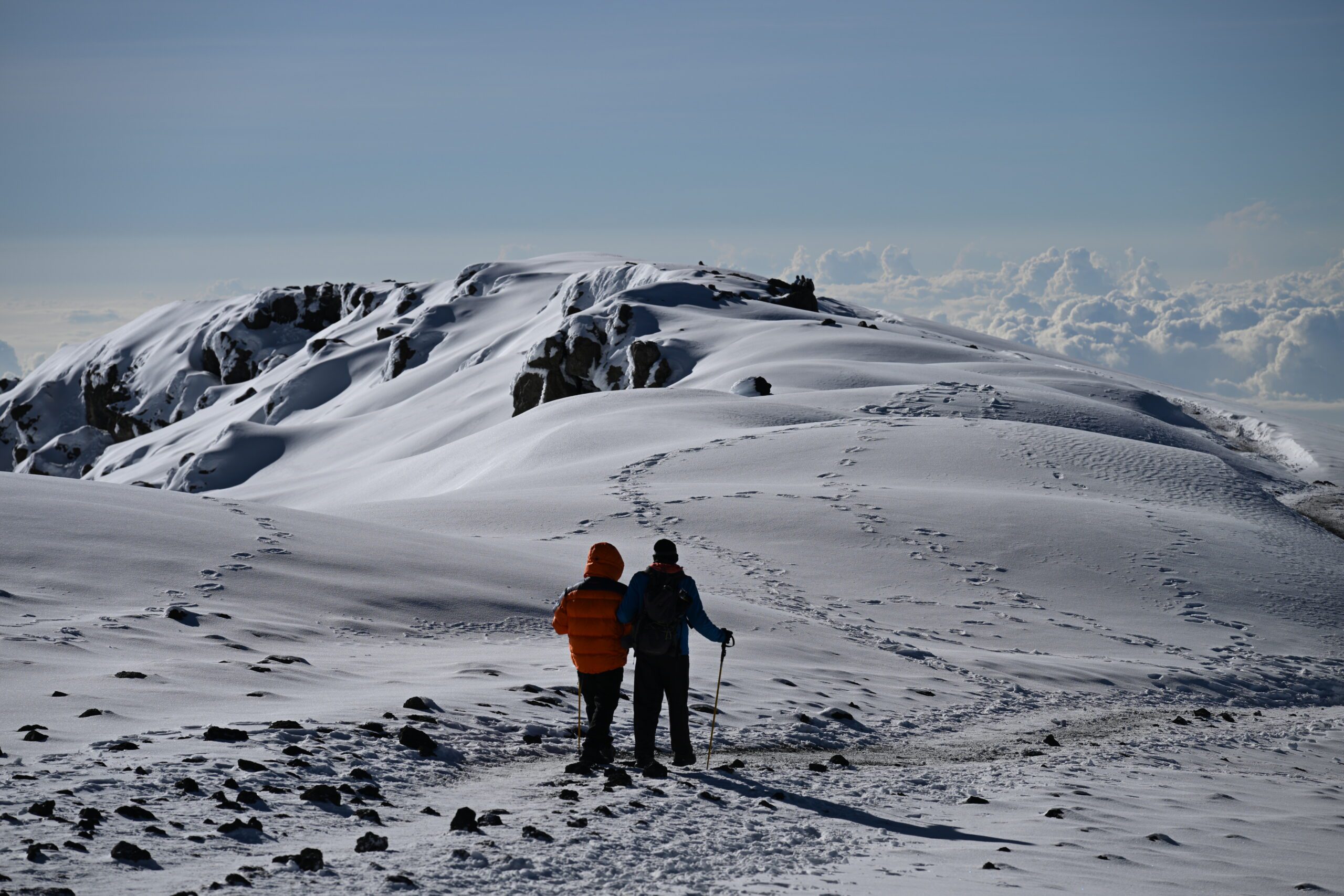
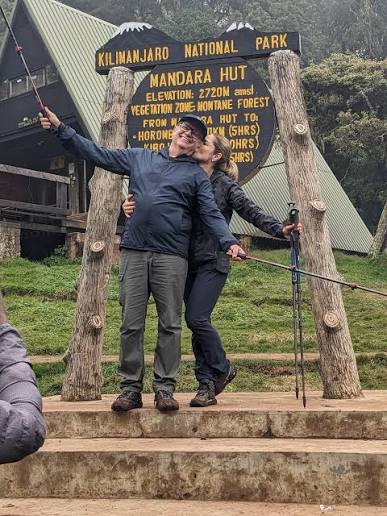
Africa's highest peak (5,895 m) and the world's tallest free-standing mountain — climbed with local-born guides who know every trail, camp and weather window in Kilimanjaro National Park. Choose your route, plan your season, and get a free itemised quote.
Tap what matters most and we'll point you to the best-matching route.
The gentlest gradient and the only route with sleeping huts — the classic, comfortable first-timer path.
View Marangu Route →Every route reaches Uhuru Peak — the right one depends on your time, fitness and how much scenery and acclimatisation you want.
| Route | Days | Distance | Difficulty | Sleep | From (2026/27) | Best for |
|---|---|---|---|---|---|---|
| Machame | 6–8 | 62 km | Moderate–Hard | Tent | $2,200 | Scenery + strong acclimatisation (Barranco Wall) |
| Lemosho | 6–8 | 70 km | Moderate | Tent | $2,600 | Remote, scenic, highest success rate |
| Marangu | 5–8 | 64 km | Moderate | Hut | $1,900 | Comfort & budget — the "Coca-Cola" route |
| Rongai | 6–8 | ~73 km | Moderate | Tent | $2,300 | Quiet, dry northern approach |
| Umbwe | 6–8 | ~48 km | Hard | Tent | $2,400 | Fit, experienced climbers — steepest line |
Pick a route that matches your time and fitness, and aim for a dry-season window (Jan–mid-Mar or Jun–Oct).
Build cardio and leg strength over 8–12 weeks. We send you a training and packing plan when you book.
Fly into Kilimanjaro International (JRO), settle in Moshi, and let your body adjust before the climb.
"Slowly, slowly." Daily health checks, great food and a full crew guide you camp by camp to the crater rim.
A midnight push to Uhuru Peak for sunrise at the Roof of Africa — then a celebration dinner and your certificate.
Quick, factual answers about the mountain, written by the local guides who climb it every week.
Mount Kilimanjaro is a dormant volcano in north-eastern Tanzania and the highest mountain in Africa. Rising to 5,895 m at Uhuru Peak, it is the world's tallest free-standing mountain and is made of three volcanic cones: Kibo, Mawenzi and Shira.
Read more →Mount Kilimanjaro sits in Kilimanjaro National Park in north-eastern Tanzania, near the Kenyan border, about 330 km south of the equator. The gateway town is Moshi, where most climbs begin, roughly an hour from Kilimanjaro International Airport (JRO).
Read more →Kilimanjaro stands 5,895 m (19,341 ft) above sea level at Uhuru Peak on the Kibo cone. It rises about 4,900 m from the surrounding plains, making it the tallest free-standing mountain on Earth. Mawenzi (5,149 m) and Shira (3,962 m) are its sister cones.
Climbing Kilimanjaro passes through five climate zones: cultivated farmland, rainforest, heath and moorland, alpine desert, and arctic summit. You can start in tropical warmth and finish below freezing, experiencing nearly every climate on one mountain.
Kilimanjaro National Park is home to elephants, buffalo, eland, blue and colobus monkeys, and over 150 bird species. Wildlife is concentrated in the lower rainforest zone; higher up, the landscape becomes stark and alpine.
Kilimanjaro was formed by volcanic activity over hundreds of thousands of years. It was first summited on record in 1889 by Hans Meyer and Ludwig Purtscheller with local guides. It became a National Park in 1973 and a UNESCO World Heritage Site in 1987.
The first recorded summit was on 6 October 1889, by German geographer Hans Meyer and Austrian alpinist Ludwig Purtscheller, guided by local Chagga guide Yohanas Kinyala Lauwo. Their success opened Kilimanjaro to the world.
Kilimanjaro is the highest peak on the African continent, which earns it a place among the Seven Summits — the tallest mountain on each of the seven continents. It is the most accessible of the seven, requiring no technical climbing.
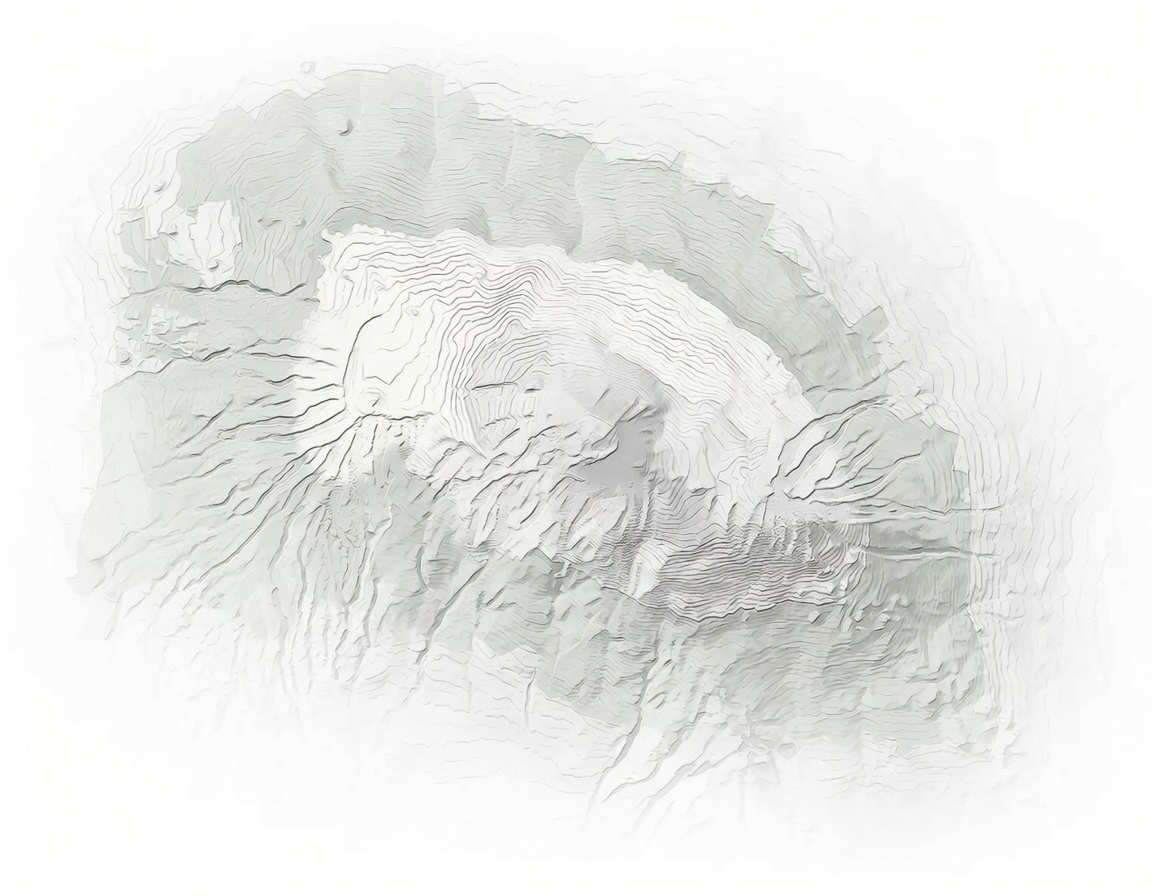
Everything you need to plan with confidence — written by the guides who lead the climbs.
Real 2026/27 prices & what drives them.
🎟️Transparent breakdown of official fees.
📦Every route, every duration, itemised.
📈Why longer routes summit more often.
💪An honest look at the challenge.
Our safety protocol, explained.
Symptoms, prevention & acclimatisation.
🗓️Month-by-month weather guide.
🏃Get climb-ready in 8–12 weeks.
🎒Exactly what to bring (and rent).
What your price covers — no surprises.
Everything a beginner should know.
Our prices include park, camping and rescue fees, certified guides, porters and cooks, meals, tents and safety equipment. The biggest cost is the crew that keeps you safe — which is exactly why a genuinely safe climb can't be done for a few hundred dollars.
Two dry seasons give the clearest skies and most stable trails.
We are local-born guides, not a reseller. Every expedition carries emergency oxygen, pulse oximeters and satellite communication, with daily health checks and a documented rescue plan. And because our guides and porters come from the Chagga communities on the mountain, your climb directly supports local families — fair wages, proper loads, and KPAP-aligned porter welfare.
Tell us your dates and group size — we'll send a free, itemised 2026/2027 quote within 24 hours.