Machame vs Lemosho Route: Which is Right For You?

For most climbers wanting a great balance of scenery, proven acclimatisation and value, we recommend the 7-day Machame Route. If maximising your acclimatisation time, experiencing quieter trails for the first few days, and enjoying a longer, more gradual climb are your top priorities (and budget is flexible), choose the 8-day Lemosho Route.

Machame and Lemosho are the two most popular camping routes on Kilimanjaro, and for good reason — both offer spectacular scenery and strong acclimatisation profiles. From the Shira Plateau onward, they actually join the same southern circuit path to the summit. The real differences lie in the first three days: how you start, how quickly you gain altitude, and how busy the trails are. This guide breaks down those differences so you can choose the right path for your experience.

Written by Tinkamanyire Gilbert, Lead Mountain Guide with 17 years of Kilimanjaro experience.

See Head-to-Head Ask a Guide
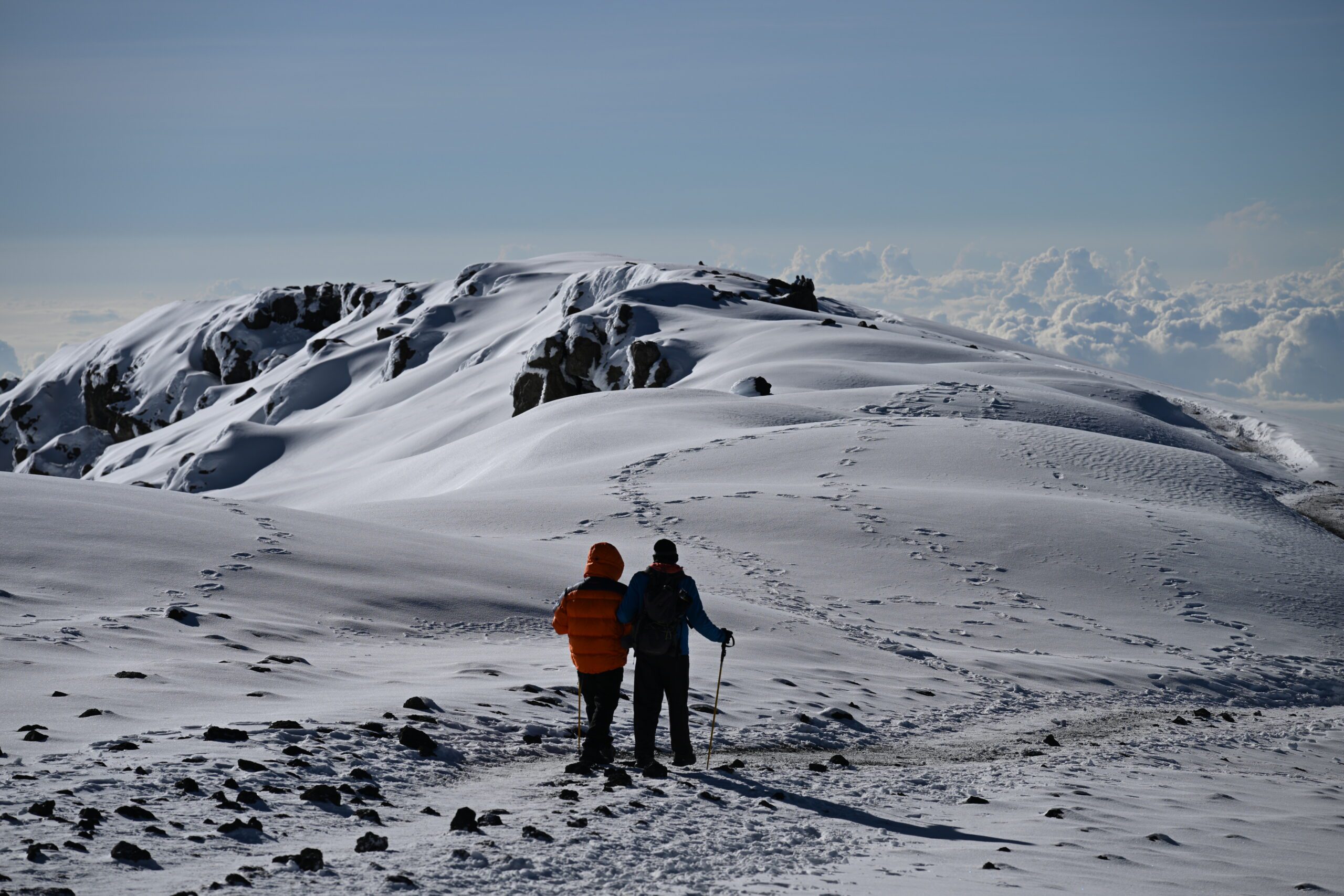
Trekkers on the Shira Plateau on the Lemosho Route of Mount Kilimanjaro

Machame vs Lemosho at a Glance

Both routes join the same southern circuit from the Shira Plateau onward. The differences are in the approach.

FactorMachame Route (7-Day)Lemosho Route (8-Day)
Starting GateMachame Gate (1,800m)Londorossi Gate (2,100m)
Transfer to GateStandard minibus4x4 required (longer drive)
Recommended Days7 Days8 Days
Est. Price*~$2,450~$3,100
First 3 DaysSteeper, through forest & heathGentler, crosses vast Shira Plateau
AcclimatisationVery Good (climb high, sleep low)Excellent (gradual plateau crossing)
CrowdsBusier from Day 1Quieter for first 3 days
From Day 4 onwardBoth join the same trail: Lava Tower → Barranco Wall → Karanga → Barafu → Summit

* Prices are typical estimated starting prices per person for 2026/27 and may vary based on group size and inclusions.

1. Acclimatisation Profile

Acclimatisation is the single most important factor for reaching the summit. Both routes offer strong profiles, but they achieve it differently.

Machame (7-Day)

Machame uses the classic "climb high, sleep low" strategy. On Day 3, you climb from Shira Camp (~3,850m) up to Lava Tower (4,630m) for lunch, then descend to sleep at Barranco Camp (3,900m). This brief exposure to high altitude followed by a lower sleeping elevation is a highly effective way to stimulate your body's adaptation.

Lemosho (8-Day)

Lemosho takes a more gradual approach. Starting at Londorossi Gate, you spend your first two days crossing the vast, gently sloping Shira Plateau. This long, steady walk at moderate altitude (3,500m–3,850m) allows your body to adapt very gradually before you even reach the steeper sections. The extra 8th day provides maximum preparation time.

Verdict

The 8-day Lemosho provides a slightly more gradual and extended acclimatisation profile, which is why it is often favoured by those prioritising altitude adaptation. However, the 7-day Machame's "climb high, sleep low" day is also highly effective and well-proven.

2. Scenery & Landscape

Machame

Known for its dramatic contrasts. You start in lush, dense rainforest, climb through heather and moorland, cross the stark alpine desert, and finish in the arctic summit zone. The highlight is the famous Barranco Wall — a steep, non-technical scramble with incredible exposure and views.

Lemosho

Offers a wilder, more remote feel for the first half. The defining feature is the Shira Plateau — one of the largest high-altitude plateaus in the world. The walking here is gentle, open, and offers uninterrupted, panoramic views of the Kibo cone. You may also see more wildlife (like eland) on the remote western slopes.

Verdict

If you want the iconic Barranco Wall experience and rapid transitions between climate zones, choose Machame. If you prefer wide-open, remote plateau walking and a wilder atmosphere for the first few days, choose Lemosho.

3. Difficulty & Physical Demand

Machame

Physically demanding, especially on Days 2 and 3 where the gradient is steeper. The Barranco Wall on Day 4 requires using your hands and feet for scrambling (non-technical, but steep and exposed). The 7-day itinerary splits the tough sections well, but it requires good cardiovascular fitness.

Lemosho

Physically less demanding in the first half due to the gentle gradients of the Shira Plateau. However, it is a longer overall trek (approx. 70km vs 62km for Machame) and the recommended 8-day itinerary means one extra day of walking. The difficulty evens out once both routes join at Lava Tower/Barranco.

Verdict

Lemosho feels slightly easier in the first half due to the gentle plateau. Machame is steeper and more intense early on, but the shorter overall distance appeals to those who prefer a more compact itinerary. Both require solid fitness.

4. Crowds & Solitude

Machame

The most popular camping route on Kilimanjaro. Because the gate is easily accessible from Moshi, it sees the highest volume of climbers from Day 1. Camps like Machame and Barranco can be busy, especially during peak season (July–September, January–February).

Lemosho

Significantly quieter for the first 2–3 days. The remote Londorossi Gate requires a long 4x4 drive, which naturally filters out many operators and independent groups. You will likely have the Shira Plateau camps largely to yourself before joining the busier southern circuit at Lava Tower or Barranco.

Verdict

Lemosho is the clear winner for solitude during the first half of the trek. If avoiding crowds is a high priority, Lemosho is the better choice. From Day 4 onward, both routes experience similar traffic levels.

5. Cost & Logistics

Machame

Generally the more budget-friendly of the two premium camping routes. The gate is closer to Moshi (standard minibus transfer), the standard itinerary is 7 days (one less day of park fees and crew wages), and the overall distance is shorter.

Lemosho

Typically more expensive. The remote gate requires a dedicated 4x4 vehicle transfer. The recommended 8-day itinerary includes an extra day of park fees, crew wages, and food. The longer distance also slightly increases logistical costs.

Verdict

Machame offers better value. The ~$650 price difference between the 7-day Machame and 8-day Lemosho is driven by the extra day on the mountain and the 4x4 transfer. If budget is a primary concern, Machame is the smarter choice.

Which One Should You Choose?

Choose Machame 7-Day if…

  • ✓ You want the best balance of scenery, acclimatisation and value.
  • ✓ You want to experience the famous Barranco Wall.
  • ✓ You prefer a slightly shorter, more compact itinerary.
  • ✓ Budget is a consideration.
View Machame Itinerary →

Choose Lemosho 8-Day if…

  • ✓ Maximising acclimatisation time is your top priority.
  • ✓ You want quieter trails for the first half of the trek.
  • ✓ You love wide-open, remote plateau landscapes.
  • ✓ Budget is flexible and you have 8 days to trek.
View Lemosho Itinerary →
🧭

Tinkamanyire Gilbert's Advice

Lead Mountain Guide · 17 years · About Gilbert →
"People always ask me which is better, Machame or Lemosho. The truth is, from Day 4 onward, you are walking the exact same trail to the summit. The choice is really about your first three days. Do you want the wild, quiet expanse of the Shira Plateau (Lemosho), or do you want the dramatic, steeper climb through the forest and over the Barranco Wall (Machame)? Both are beautiful. If you can afford the 8 days, Lemosho's acclimatisation is hard to beat. If you want great value and iconic scenery, 7-day Machame is a fantastic choice."

Machame vs Lemosho FAQ

Is Lemosho better than Machame?+
Both are excellent choices. Lemosho is generally preferred by those prioritising maximum acclimatisation time and quieter trails for the first few days. Machame is preferred by those wanting a shorter, more budget-friendly itinerary with the famous Barranco Wall experience. From Day 4 onward, both routes join the same southern circuit path to the summit.
Which route has a higher success rate, Machame or Lemosho?+
The 8-day Lemosho itinerary is widely regarded as providing one of the strongest acclimatisation profiles on the mountain due to its gradual start and long plateau crossing. However, the 7-day Machame also has a very strong success profile. The most important factor is choosing a long enough itinerary on either route.
Is Lemosho more expensive than Machame?+
Yes, typically. The Lemosho route is generally more expensive because it requires a longer 4x4 transfer to the remote Londorossi Gate, involves a slightly longer distance, and the recommended 8-day itinerary includes one extra day of park fees and crew wages compared to the standard 7-day Machame.
Is the Barranco Wall on both routes?+
Yes. Both the Machame and Lemosho routes join the same southern circuit trail at Shira 2 or Lava Tower. This means climbers on both routes will experience the famous Barranco Wall scramble, cross the Karanga Valley, and summit from Barafu Camp.
Which route is less crowded?+
Lemosho is generally less crowded, especially during the first three days. Because it starts at the remote Londorossi Gate and requires a 4x4 transfer, it sees fewer initial climbers than the highly accessible Machame Gate. However, once both routes join at the Shira Plateau or Lava Tower, the traffic levels become similar.
Can beginners climb both Machame and Lemosho?+
Yes, both are excellent choices for beginners, provided you choose the recommended itinerary lengths (7-day for Machame, 8-day for Lemosho). Neither route requires technical climbing skills. Lemosho's gradual start is sometimes considered slightly easier for absolute beginners, while Machame's 7-day itinerary is highly popular and well-proven.
Book Your Kilimanjaro Climb

Tell us your dates, group size, and which route appeals to you. We'll send a free itemised quote within 24 hours.

Get My Free Quote WhatsApp a Guide

Last reviewed: August 26, 2026

Routes from ~$2,450/person Book